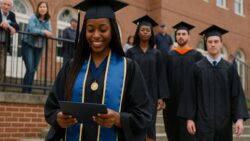
Affordable College – Affordable education is no longer a dream for students seeking quality academic programs with supportive services. Colleges across India are now redefining their approach by combining affordability with excellence. Institutions that offer budget-friendly courses along with access to qualified faculty, modern libraries, and career support are helping thousands of rural and urban students achieve their dreams. These colleges not only reduce the financial burden on families but also empower students through holistic learning. With the rising costs of higher education, it’s crucial for students to select a college that focuses on value-based outcomes. Choosing the right institution means more than just affordability—it’s about getting real academic support, mentorship, and career direction. Today’s students require resources such as digital libraries, subject experts, and internship support to compete in a global workforce. A college that balances affordability and academic rigor creates a learning ecosystem where students thrive. By investing in institutions with these priorities, students are making a smart choice for their future.


Qualified Faculty That Elevates Academic Standards
One of the most crucial pillars of a strong academic institution is its faculty. Affordable colleges with qualified faculty bring the best of both worlds—accessibility and academic excellence. Well-trained, experienced professors not only deliver the curriculum effectively but also mentor students and prepare them for real-world challenges. A trained teaching staff ensures that students receive updated knowledge, research-based teaching, and moral support throughout their journey. Moreover, many faculty members in such institutions often go beyond classrooms, guiding students in research, co-curricular activities, and professional projects. These educators bring industry connections, relevant case studies, and career counseling sessions, enriching the student experience. Colleges that prioritize faculty recruitment and continuous training stand out in producing competent graduates. For students, this translates to a meaningful educational experience without incurring high tuition fees. Institutions that invest in faculty quality make a long-term impact on student outcomes and success.

Accessible Library Resources for Deeper Learning
Library access plays a pivotal role in higher education by supplementing classroom learning with vast information resources. An affordable college with a well-equipped library ensures that students are not limited by textbooks alone. Physical and digital libraries open up a world of academic journals, research papers, e-books, and knowledge databases that strengthen critical thinking and research skills. For economically weaker students, such access eliminates the need to spend on expensive study materials or subscriptions. Colleges that provide 24×7 digital library access ensure that learning continues beyond campus hours. Modern libraries often integrate tools like plagiarism checkers, referencing software, and academic workshops to build student capability. Furthermore, quiet reading zones and faculty-led study groups within the library environment foster a culture of focused learning. A strong library infrastructure supports not just academic growth but also competitive exam preparation and innovation among students.

Career Guidance That Translates Education Into Employment
Career support is often the missing link in many educational institutions, but colleges that provide dedicated career guidance create a roadmap for student success. An affordable college with career counseling and placement services can significantly improve a student’s chances of securing meaningful employment. Trained counselors help students identify strengths, choose the right career path, and even guide them through resume building and interview skills. Many institutions collaborate with industries to host job fairs, skill-development workshops, and entrepreneurship training. Such support ensures students from rural or underprivileged backgrounds are not left behind in competitive job markets. For students seeking government jobs, teaching careers, or private-sector opportunities, structured career guidance bridges the gap between education and employability. Colleges that embed career planning into their curriculum help students make informed choices and build confidence for the future.

Why Choosing the Right College Shapes Your Entire Future
The decision to enroll in a particular college sets the tone for a student’s academic and professional trajectory. An institution that is affordable, resource-rich, and student-focused empowers learners from diverse backgrounds to thrive. Beyond affordability, features like faculty mentorship, library resources, and career services play a transformative role. Students develop soft skills, explore new fields, and build the confidence needed to face global challenges. Colleges that promote holistic development also include extracurriculars, value-based education, and mental wellness support. In such environments, education is not a burden but a path to empowerment. By choosing a college that understands student needs and offers structured academic and career services, learners take a step toward lifelong success. For families seeking a bright future for their children, such institutions offer hope, opportunity, and real value.